My career in videogames
15 September 2026
A story of success and failure, building community and connecting the dots.

I founded a games company called Melee Studios in 2008. I loved writing stories and programming, and had an idea for an adventure game which I was very excited about.
A new, new world
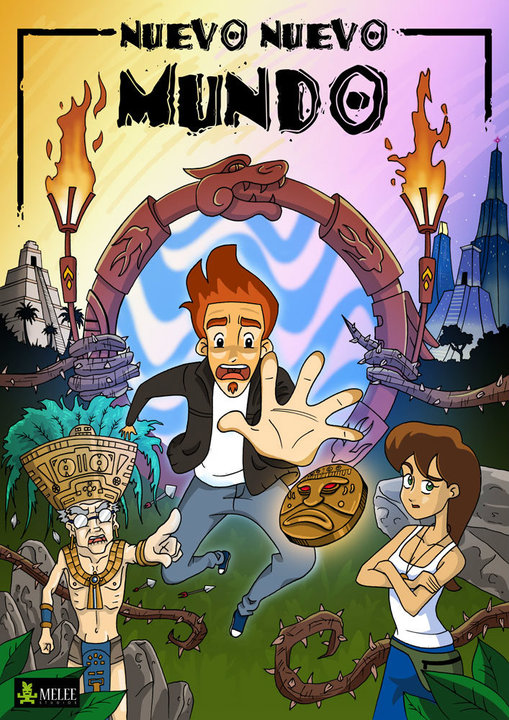
My first project was Nuevo Nuevo Mundo, begun in 2008 — an old-fashioned 2D adventure game. It won the Movistar Campus Héroes award for best entrepreneurial project in 2010.
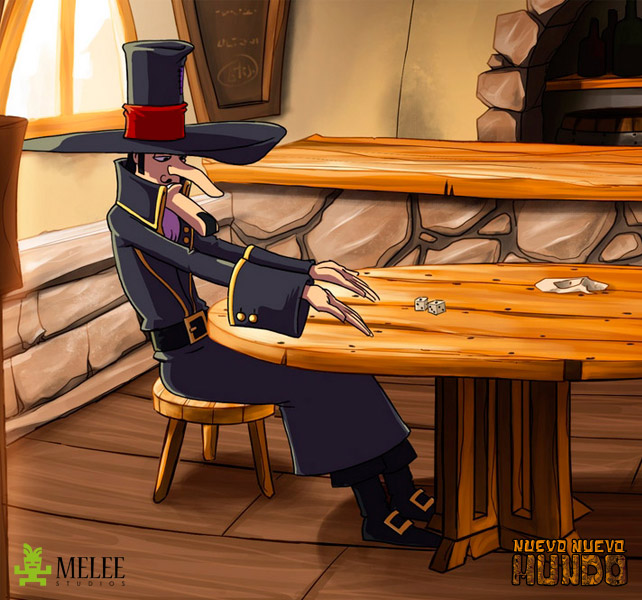 More about Nuevo Nuevo Mundo →
I worked on it for four years with a team of artists, writers and developers. When I started looking for investment, I learned (the hard way) that we just weren't ready for such an ambitious project.
That time was a great journey and a useful lesson on game development, project planning and business management. It was a difficult decision to cancel the game, but it actually allowed me to start smaller projects and gain massive experience.
I gave a talk where I cover this part of my career:
How to attract investment to your project — MálagaJam · YouTube
Talk in Spanish.
Spirit Fencer
In 2012 I released Spirit Fencer, built in Flash and published by Armor Games. It won the Developer's Favorites award on FlashGameLicense and was nominated for Web Game of the Year at a national videogames festival.
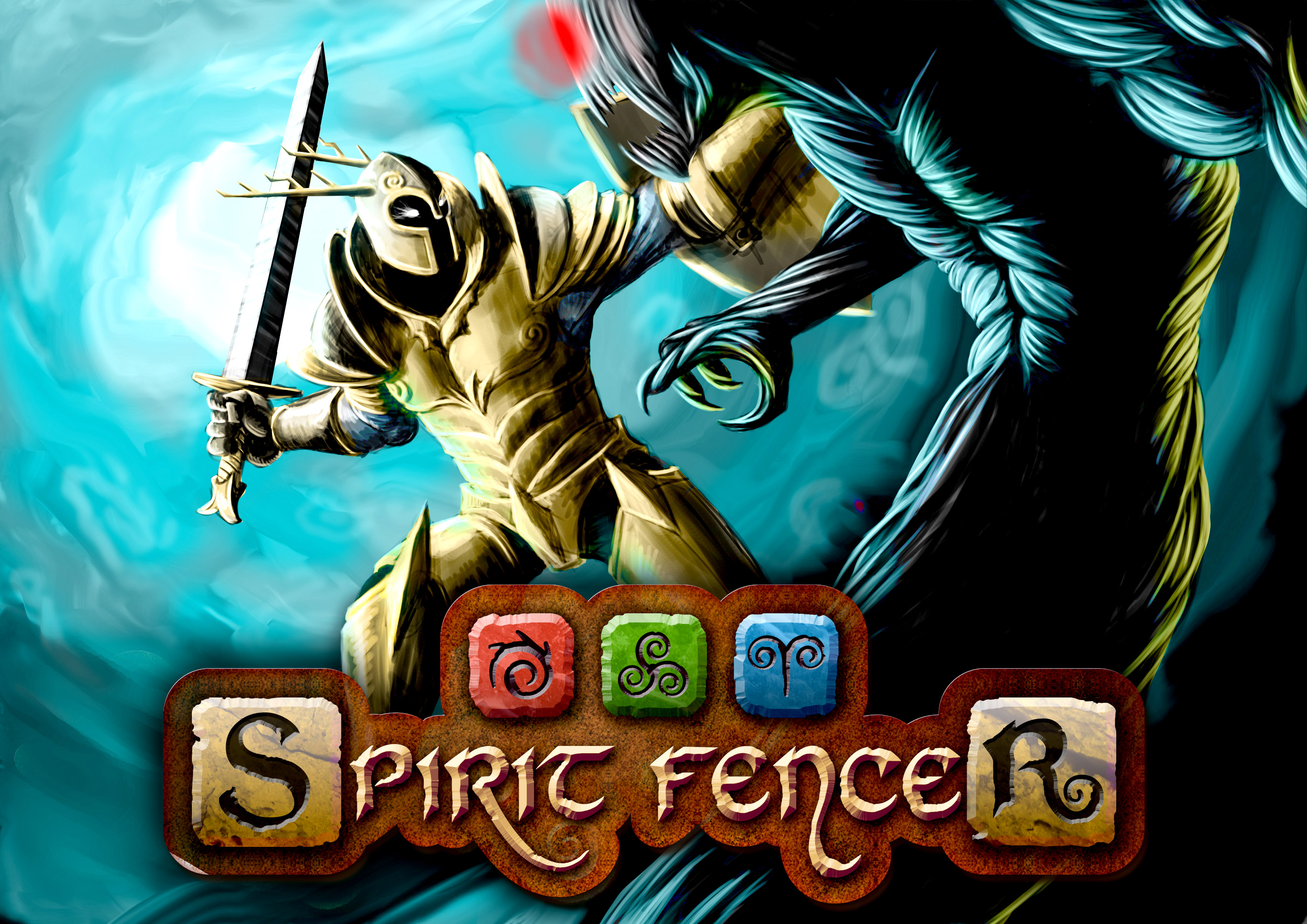
It reached more than 100,000 players worldwide. On the back of that I negotiated a publishing deal with YubiGames for a mobile version.
This was my first successful game and one of the projects I'm most proud of. It was the first time I had real success and my work was appreciated.
Spirit Fencer Arena
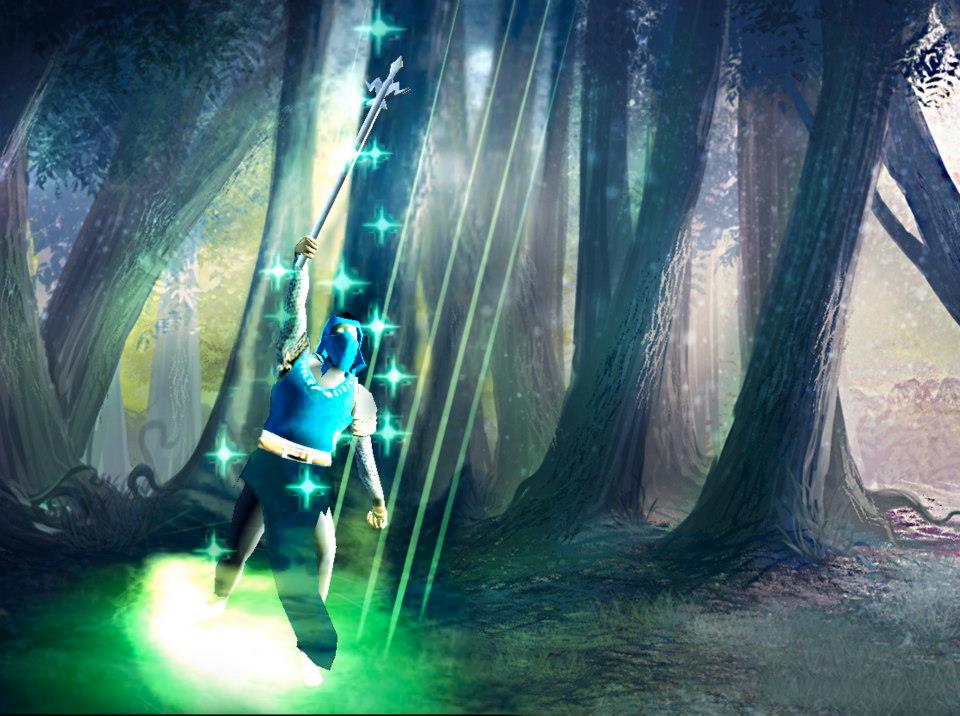
Spirit Fencer Arena shipped in 2013 for iOS and Android, built in Unity with 3D characters and environments and cross-platform real-time multiplayer over WebSockets. It picked up two award nominations.
More about Spirit Fencer Arena →
Scaling up
After Spirit Fencer's success we expanded the team and took an office, and started running several games in parallel.
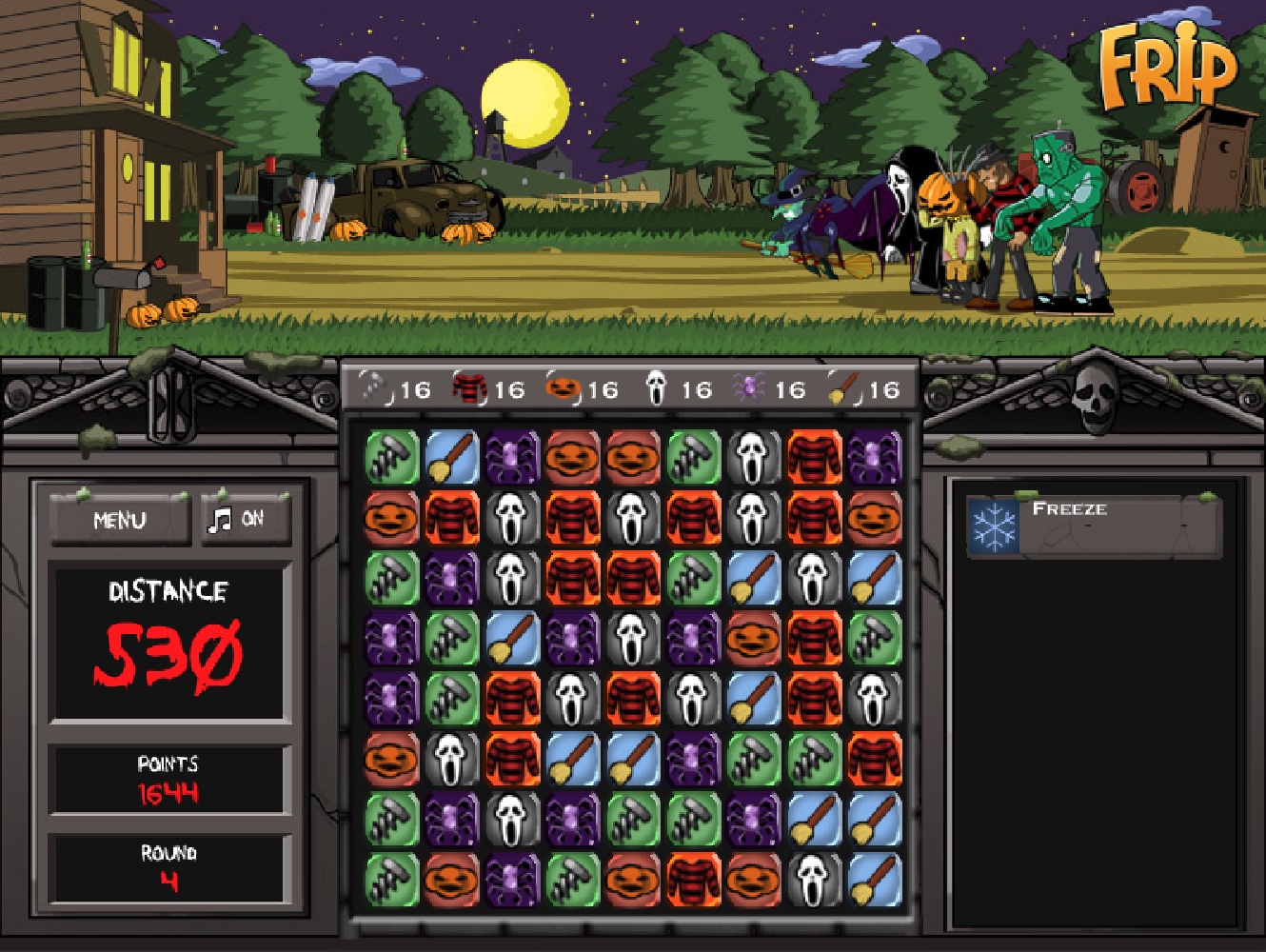
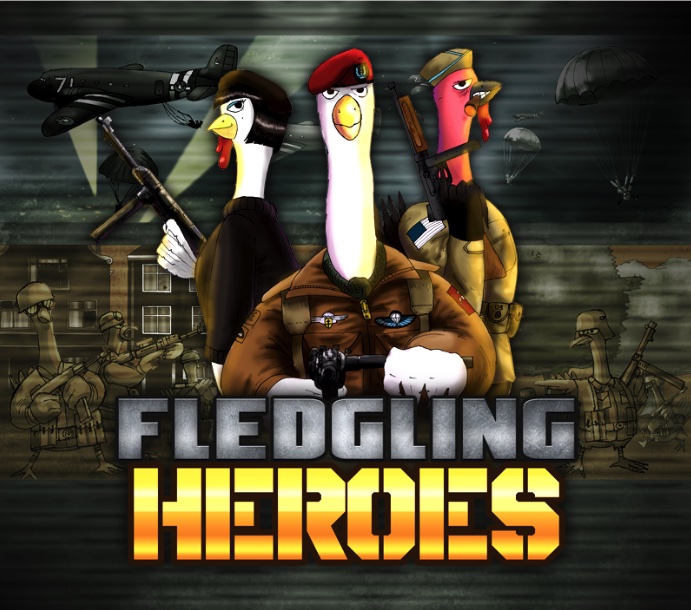
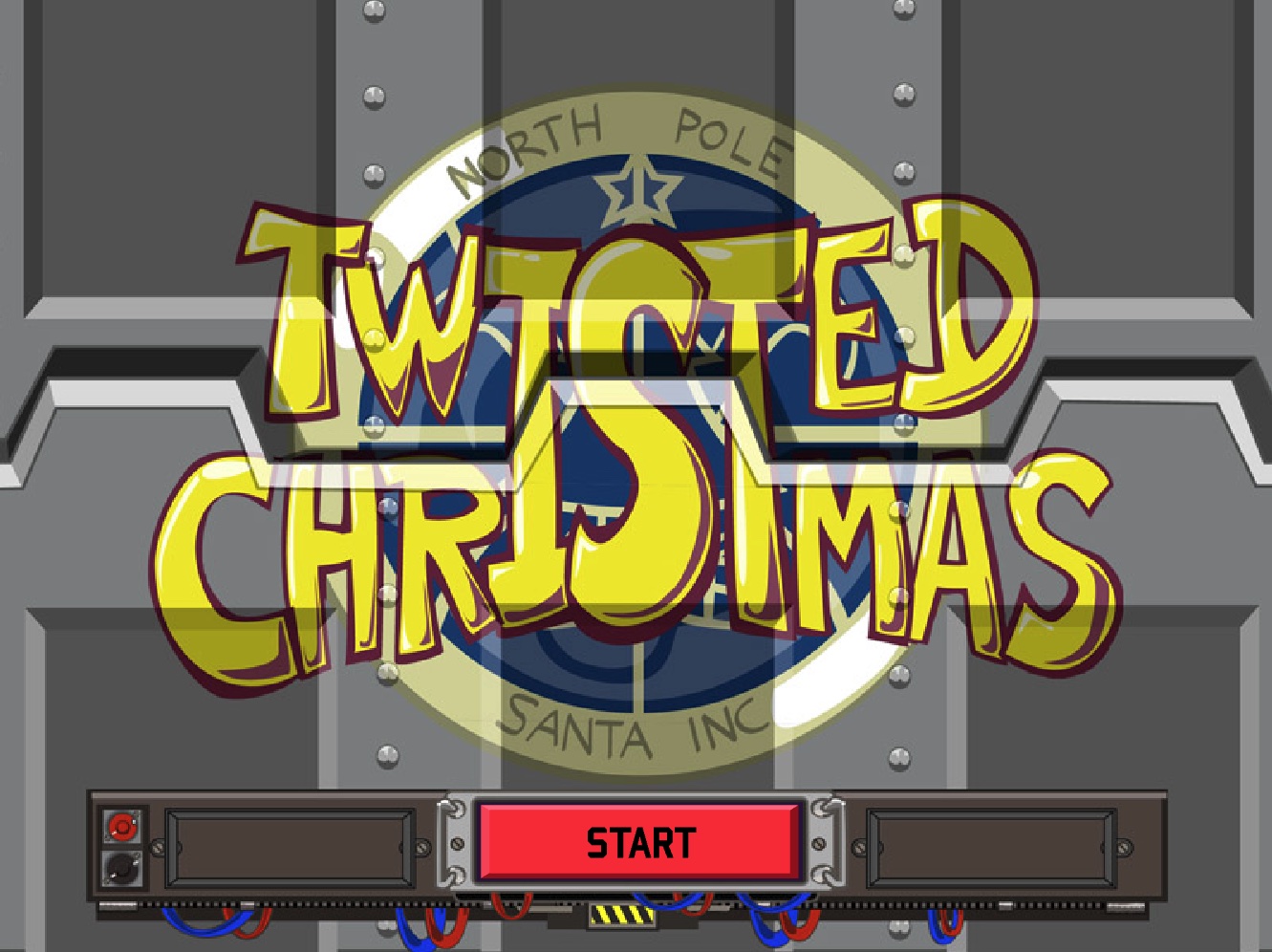
American Halloween Story came out in 2012, another Flash game, published by Frip Games. Fledgling Heroes followed the same year, and Twisted Christmas in 2013 — both self-published.
I acted as game director for these titles, and participated in the development of some of them.
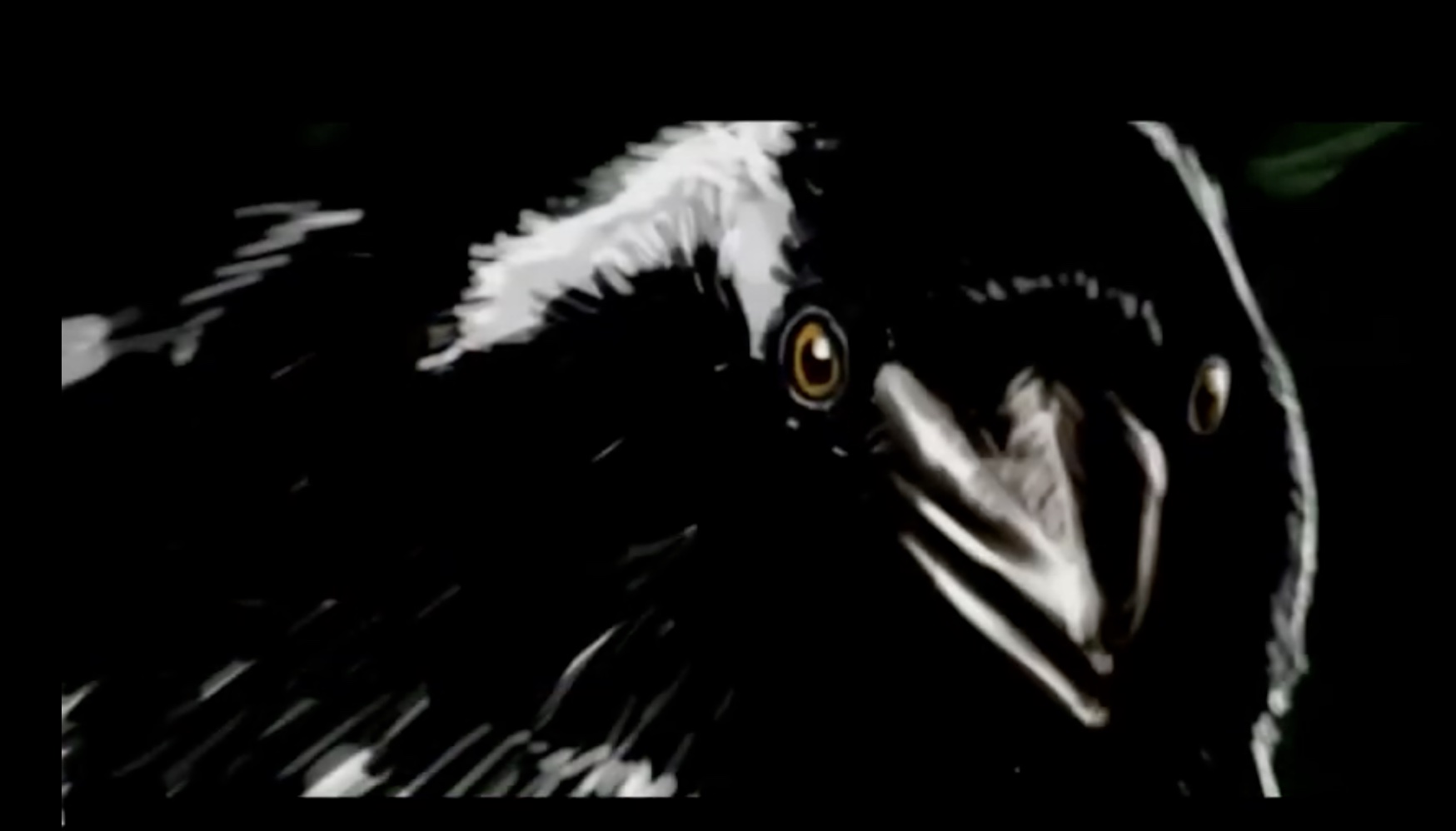
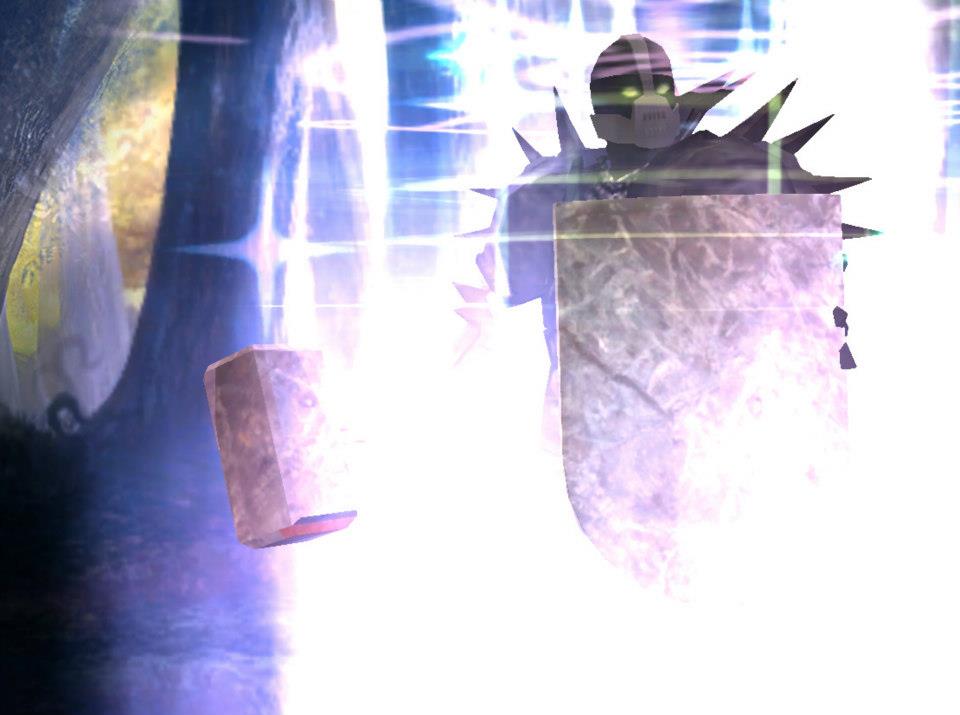
At the end of 2013 we were working on three titles at the same time. Spirit Fencer Arena was our big project, our first mobile game, with a bigger budget and a publisher deal already in place. We had a game planned for Christmas called Twisted Christmas. I was busy managing too many things at once, and that led to production delays, causing the game to miss its release window. We eventually self-published the game, but it didn't have any reach.
Games for Research
In 2013 I started building games for research with the Social Psychology group at UNED in Madrid — hundreds of studies under European Research Council programmes, with more than 100,000 participants.
They study what makes someone willing to fight and die for a group, and the fieldwork went where that question isn't hypothetical: frontline fighters, alongside studies across several countries. The games were the instrument. The results ran in journals including Nature Human Behaviour, and the work was covered in Morgan Freeman's Through the Wormhole.
The acquisition
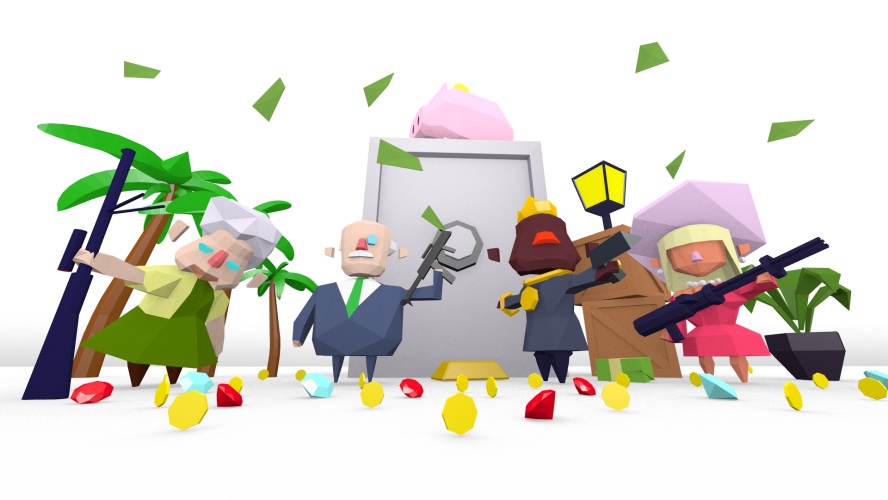
In 2014 we had several games in development — Angry Grandpas, Lux Mortis, PuzZzle — when Melee Studios was acquired by Hyperspace (formerly LearnBrite) and I was appointed CTO. The games were cancelled as we shifted focus to B2B.
I didn't plan to leave games, and for a while it didn't really feel like I had. Serious games are essentially games with a different target, but all the same processes and design ideas still apply. At the studio I did a bit of everything on something small. As CTO I do a smaller part of something much bigger.
Serious games
At Hyperspace we released Virtual Home Visit with Curtin University in Perth — a serious game for training physiotherapy students.
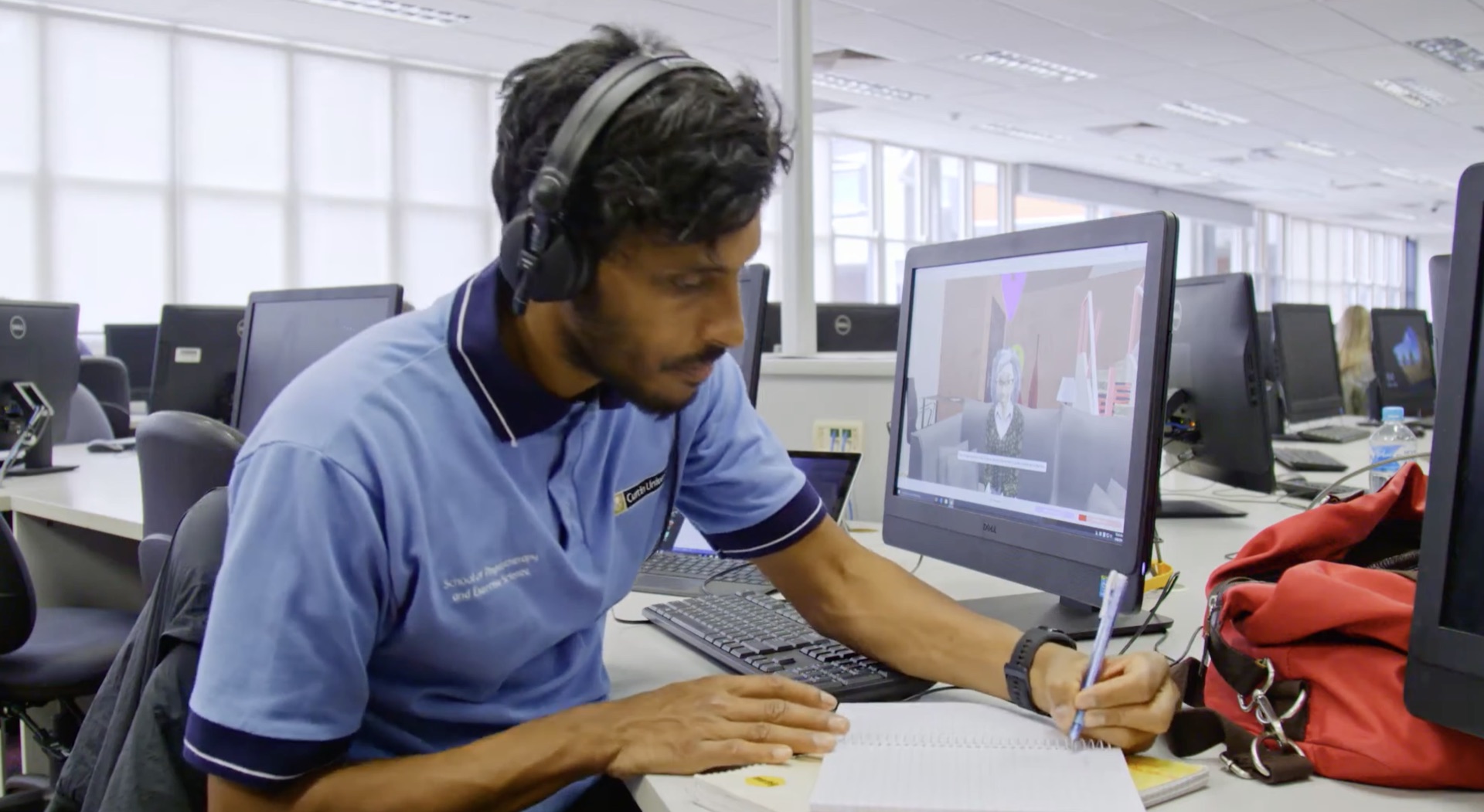
It won the Teaching and Learning Award at the Curtin Commercial Innovation Awards, and it started the path into 3D learning and training simulations that the company has followed ever since — building experiences for hundreds of clients including Novartis, Accenture, Salesforce, Dell, IBM, 2K Games, New York Life and Shell.
More about Virtual Home Visit →
Giving it back: MalagaJam
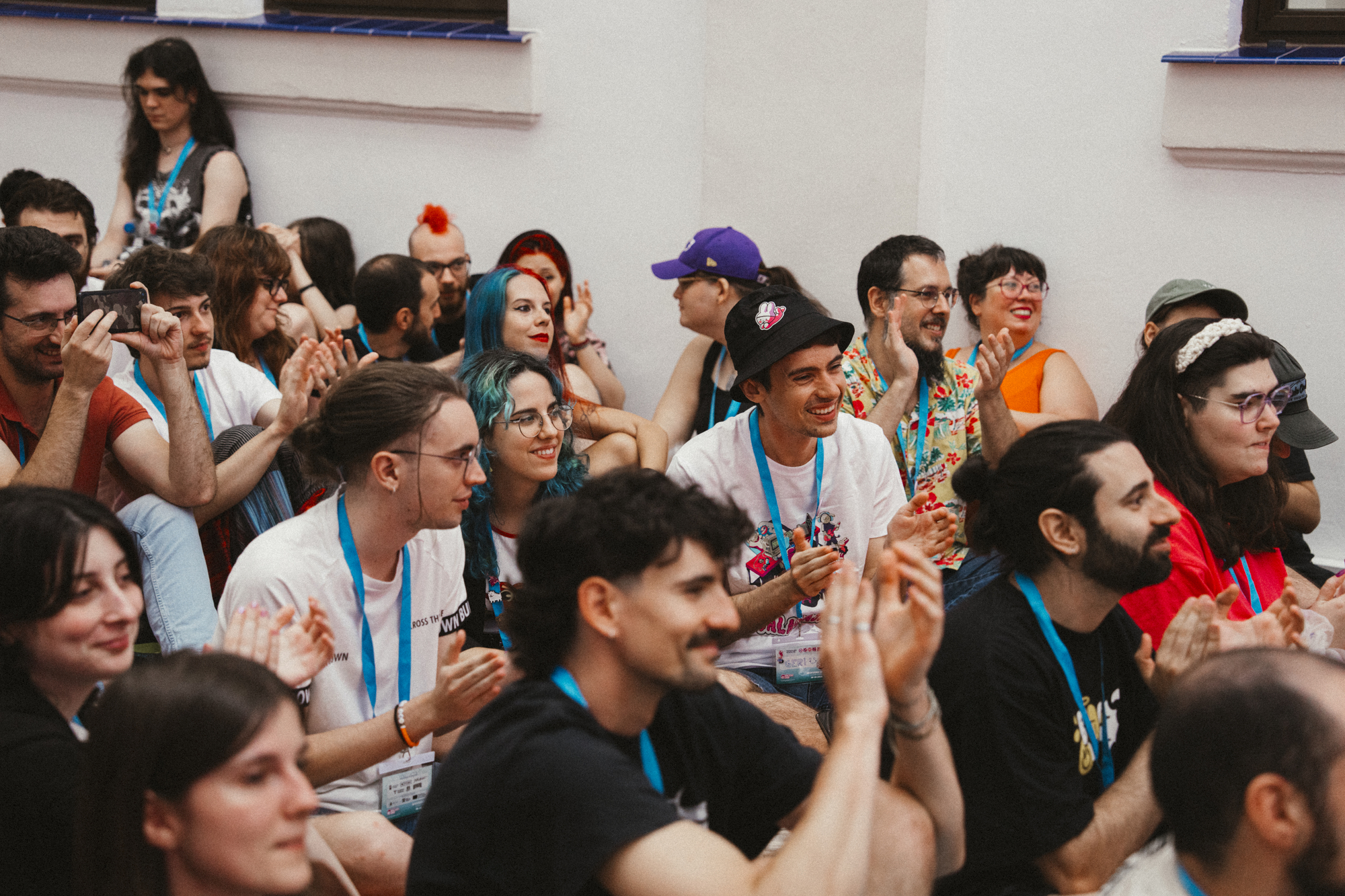
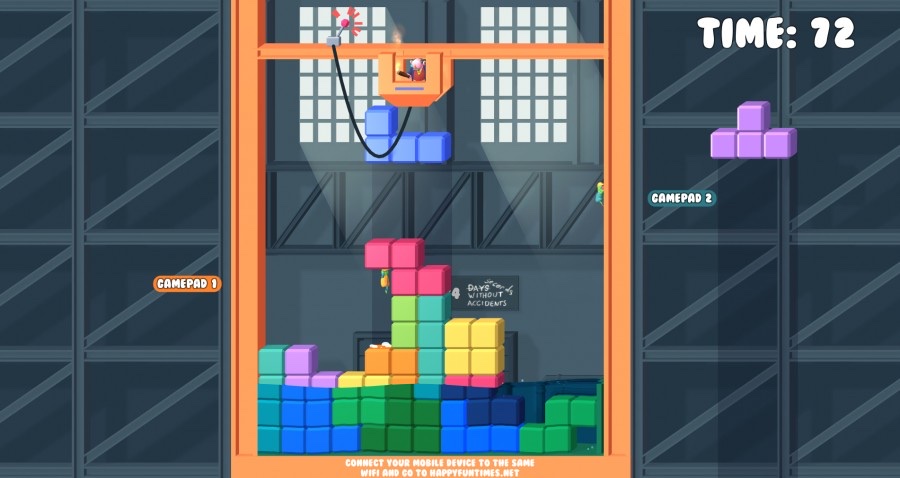
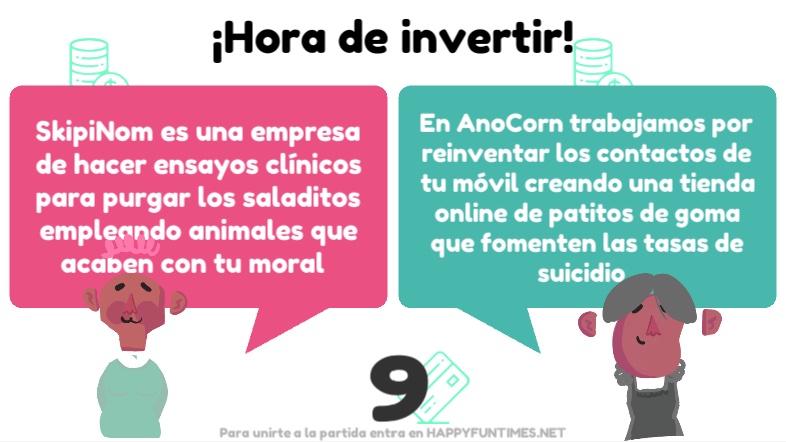
In 2015 I co-founded MalagaJam, a game developers' association, and served as Vice President for four years, organising hackathons, workshops and talks. The goal was simply to be part of the community and to help other people in it.
We also built things at the jams ourselves, using them as an excuse to try ideas we had no other reason to attempt.
Teaching and Mentoring
From 2014 to 2017 I taught on the Masters in Videogames at the University of Málaga, covering Unity and C# and mentoring students. Through 2017 and 2018 I mentored at the Go2Work startup accelerator, working with a wide range of teams — game studios, training simulations, 360 and VR video. It was very fulfilling for me, as I was able to share my knowledge and experience with others and actually help them build their projects and succeed.
From 2018 my involvement in the games community gradually faded as Hyperspace grew into a larger company.
What it was actually for
I am no longer in the videogames industry, but I am certain it gave me my strongest foundations: creative and critical thinking, user experience, 3D graphics, project planning, team management, business development.
Small projects let me succeed and fail quickly, and often. I got to experiment with concepts and technologies, work alongside hundreds of people, deal directly with clients, shareholders and publishers, and see every phase of development rather than one slice of it.
Games are an unusually complete education. You ship something that has to be technically sound, visually coherent, economically viable and actually enjoyable — and if any one of those fails, the whole thing fails.
This article is the first part of a two-part series on my career. The second part is Becoming a CTO.
Projects in this article
- American Halloween Story (2012) — A Flash game that mixed tower defence with the real-time match-3 from Spirit Fencer. Classic movie monsters attack your house, and matching tiles is how you fight them off.
- Fledgling Heroes (2012) — A side-scrolling Flash run-and-gun about a squad of chickens taking on Dr. Kwakazoo and his robot army. Made by a team of six at Melee Studios and self-published in 2012.
- MalagaJam (2015) — Co-founded a non-profit promoting game-development culture in Málaga. Grew into one of the world's largest Global Game Jam locations.
- Nuevo Nuevo Mundo (2010) — My first game, and the project that started Melee Studios. A point-and-click adventure where the Maya discover Europe. Four years of work, an award at Campus Party 2010, and cancelled before release.
- Spirit Fencer Arena (2013) — The mobile version of Spirit Fencer, rebuilt in Unity with 3D characters and real-time multiplayer between iOS and Android. Released in 2013 with YubiGames.
- Spirit Fencer (2012) — Real-time puzzle RPG released on Armor Games in 2012 to 100k+ players worldwide.
- Twisted Christmas (2013) — A 2.5D Flash beat 'em up where Santa fights his own elves, now turned into zombies. Made by a team of seven at Melee Studios in 2013. It missed its Christmas release window and was self-published afterwards.
- Virtual Home Visit (2014) — A serious game for training physiotherapy students — learners run a simulated home visit, talk to avatars, classify falls hazards and build a management plan. Winner of Curtin's Teaching and Learning Award.